
The Veracruz Carnival
A century-old tradition of music, color, and joy
A Centuries-Old Tradition Full of Life
Color, music, and joy fill the streets of the port in one of Mexico's most iconic festivals. The Veracruz Carnival, with nearly a century of formal history, is much more than a parade: it is the heritage of ancient celebrations that blend tradition, identity, and an unbreakable spirit of celebration.
Since the mid-19th century, during the reign of Maximilian of Habsburg in Mexico, the Carnival was celebrated in the city and port of Veracruz, bringing together a multitude of musicians, dancers, and citizens who enjoyed this festival.
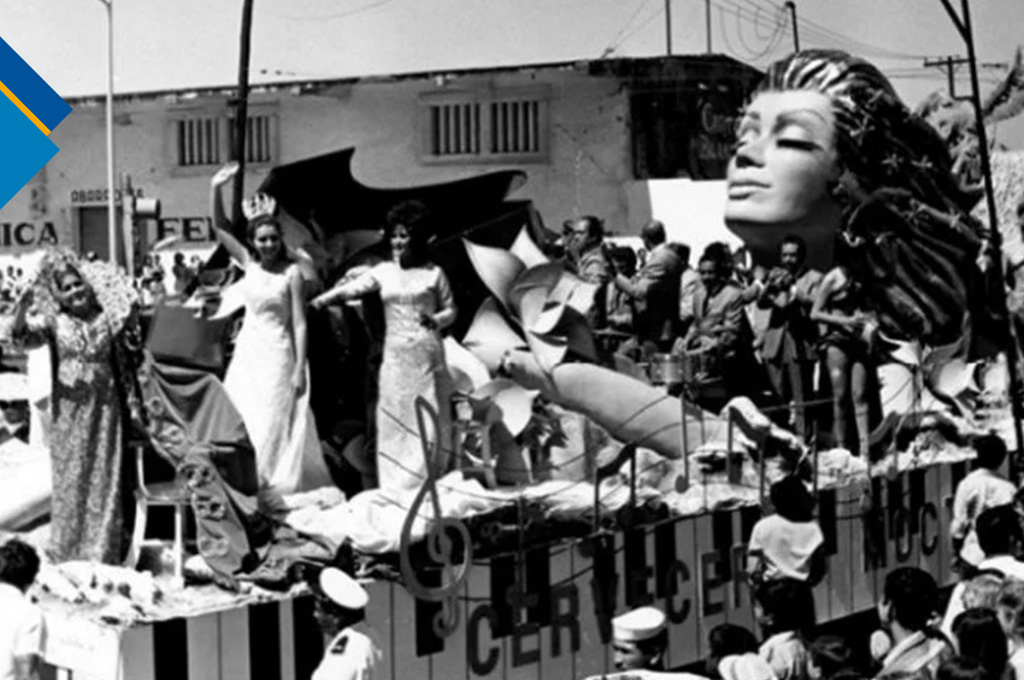
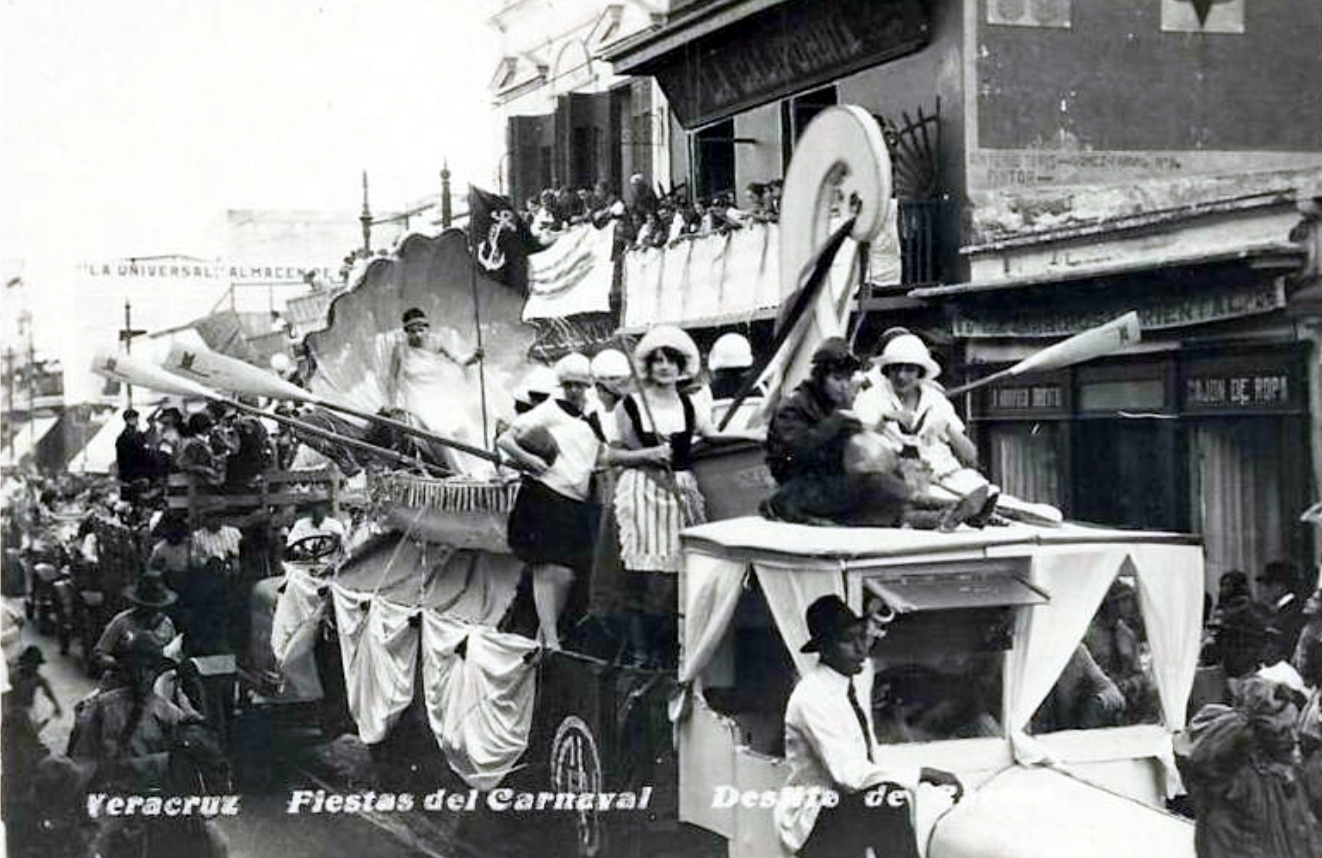
Veracruz Carnival celebrations in the 1920s.
History and Origin of the Carnival
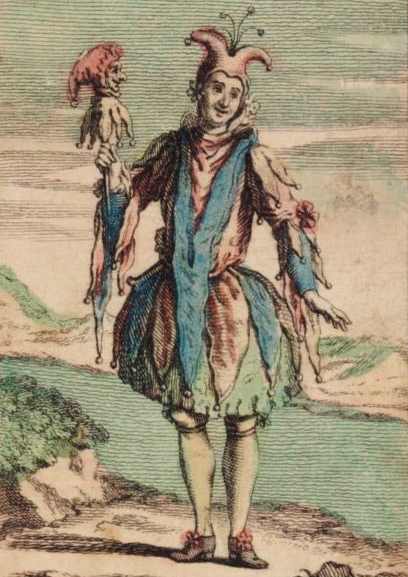
The Origin in Ancient Rome
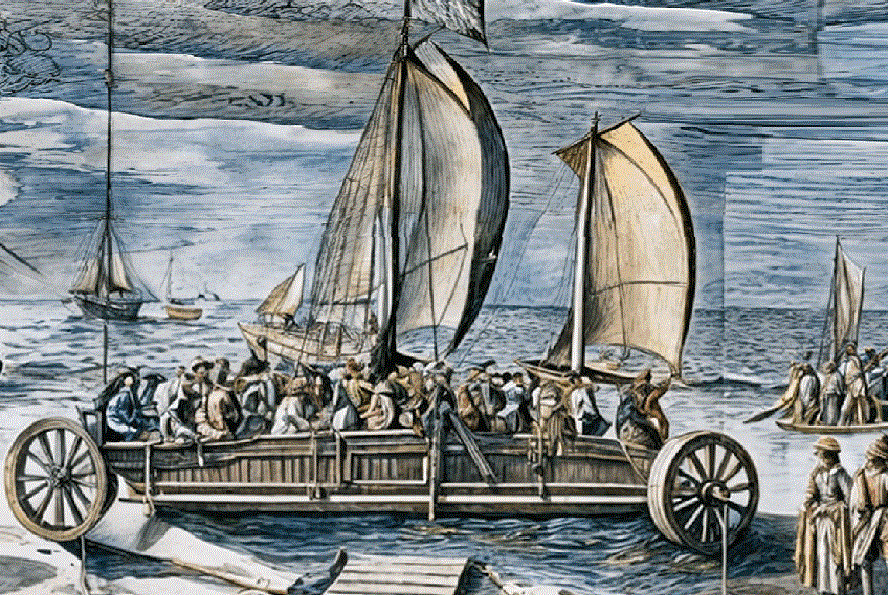
Beyond the Veracruz celebration, we know that Carnival originates from ancient Rome, where a festival dedicated to Momo, the god of jokes and mockery, son of sleep and night, the god of madness who entertained the gods of Olympus, was celebrated. Momo had a companion named Como; his followers celebrated him with a parade, walking the streets masked, with torches, and singing to the sound of musical instruments.
The Renaissance and Masquerade Balls
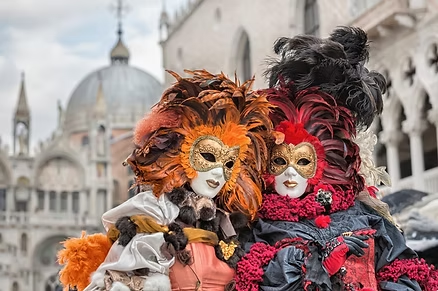
When Christianity was imposed in Rome, the festival of Momo was considered sinful, but during the Renaissance (between the 14th and 16th centuries) it was celebrated again in Rome and Venice, now as a masquerade ball, a tradition that was adopted in France in the 18th century and from there passed to Spain.
The Origin of the Word "Carnival"
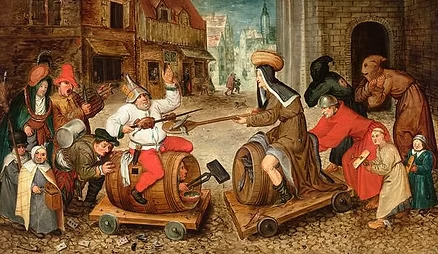
Curiously, the word carnival comes from the Latin carnaevale, as Pope Gregory determined that during Lent, Christians should abstain from sex and meat. Therefore, the carnival festival was to be celebrated just a few days before Lent, as this festival allowed free rein to carnal pleasures and the consumption of foods containing meat.
The Carrus Navalis and Satire
The Formal Foundation (1925)
The Veracruz Carnival was formally instituted in 1925, so since that date it has been held, year after year, for a century.
The Veracruz Carnival Today
A festival full of rituals and joy that unites the entire port
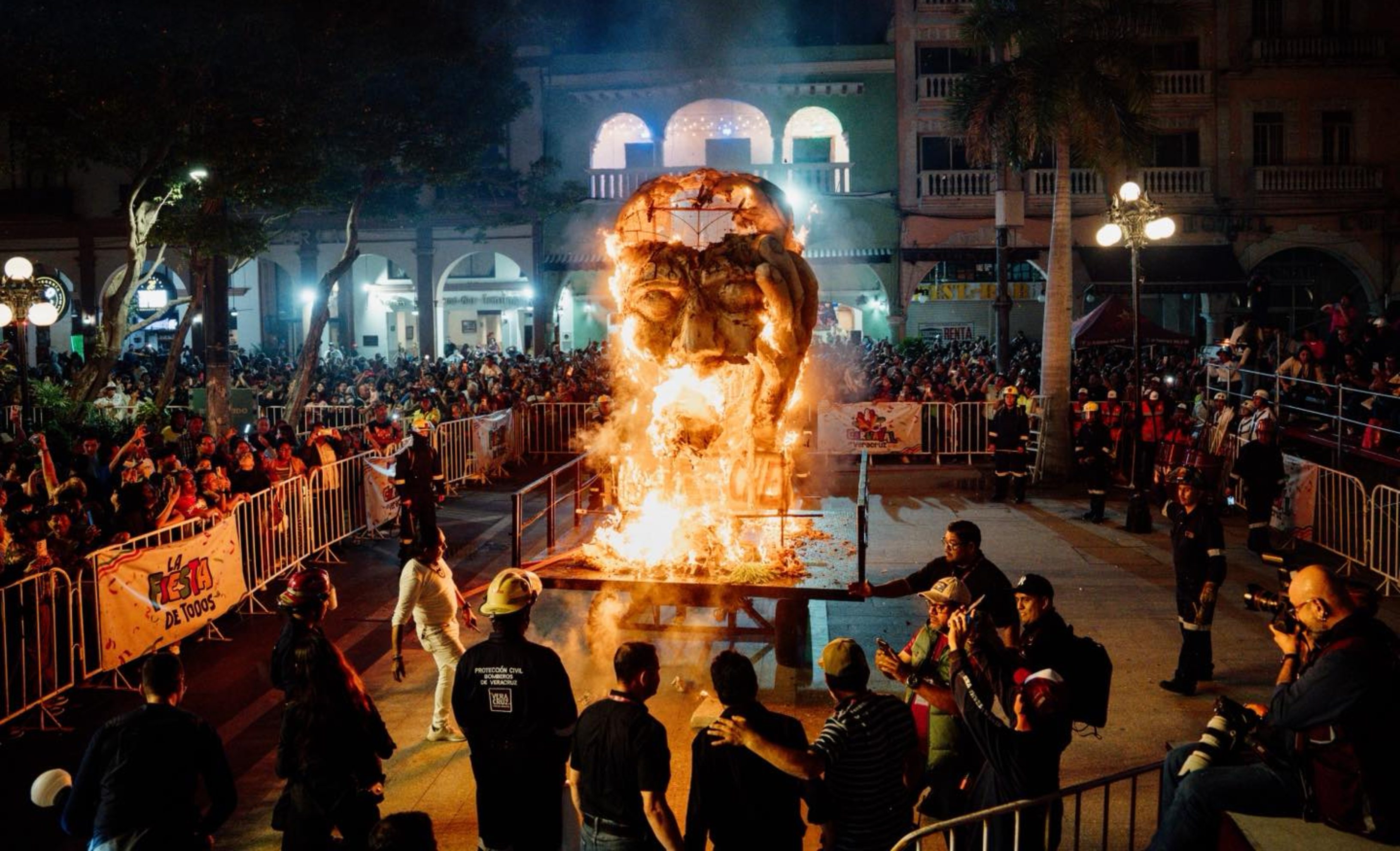
The Burning of Bad Mood
Today, the Veracruz Carnival begins with the burning of bad mood, that is, of everything that can tarnish people's happiness.
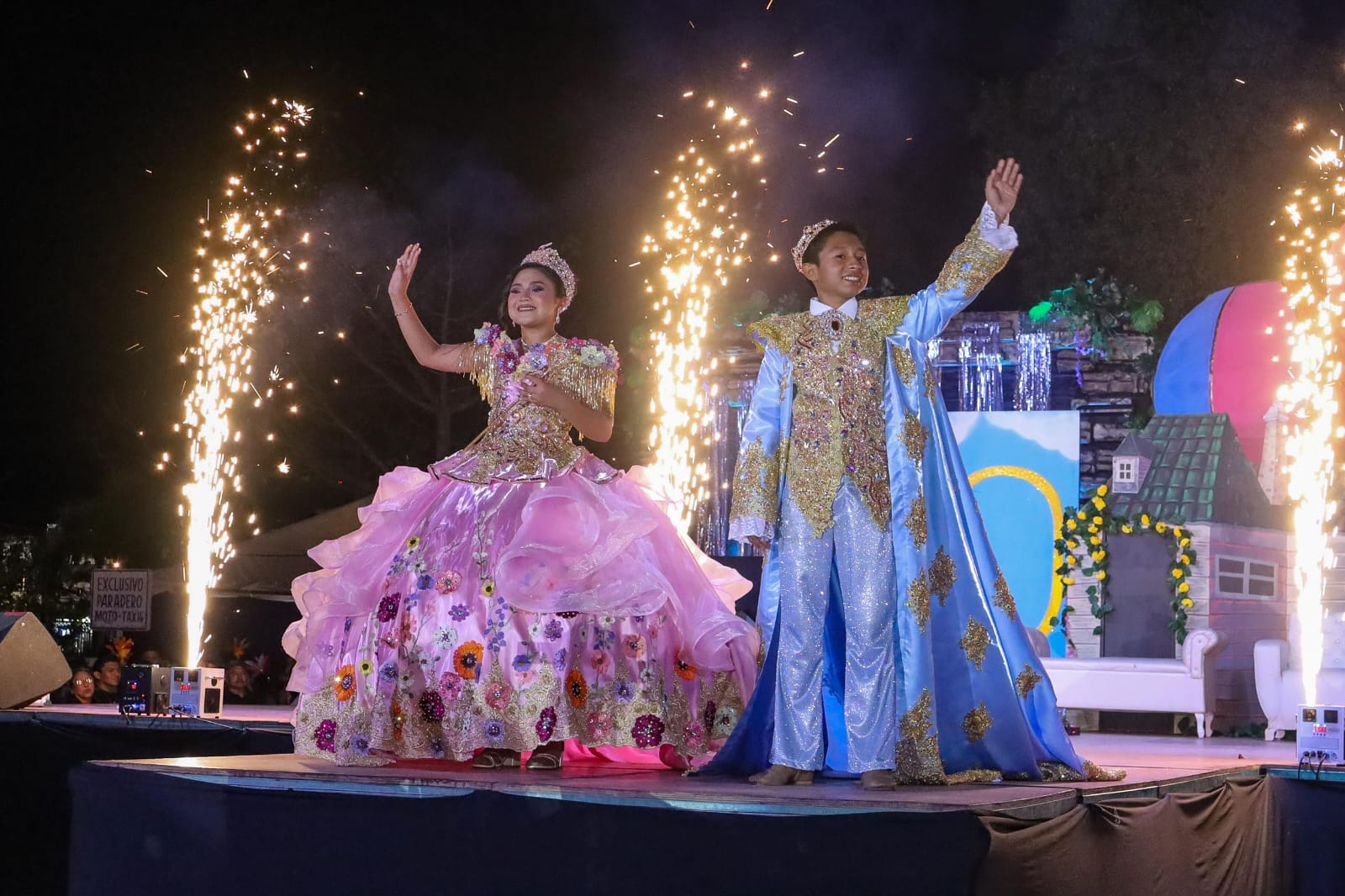
Coronation and Parades
On the second day, the coronation of the King and Queen of the Carnival takes place, which includes the child kings. The party goes on with parades of multiple carriages organized by the inhabitants of the neighborhoods, trade and professional groups, and artistic groups of all kinds.
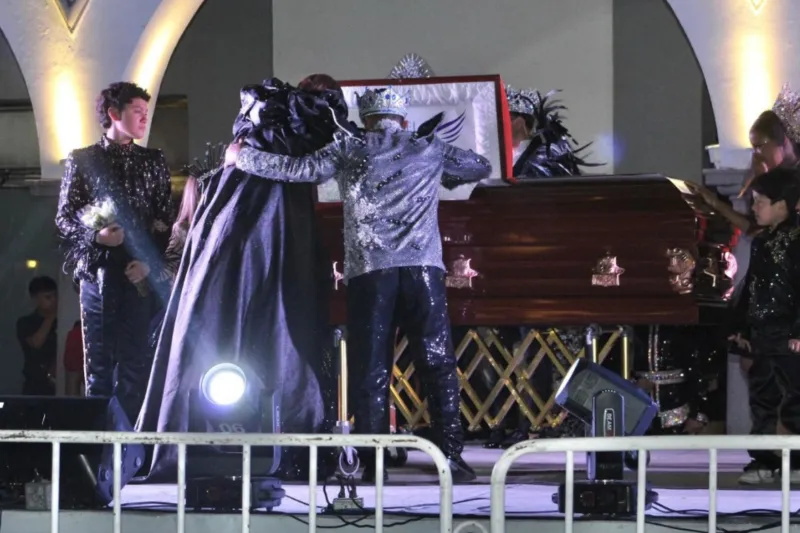
The Burial of Juan Carnival
At the end of the Carnival, the sad event of the burial of Juan Carnival takes place, with the participation of the adult and child king and queen, where the inhabitants of Veracruz say goodbye to pleasures and prepare for the period of Christian devotion that Lent implies.